What is STEM?
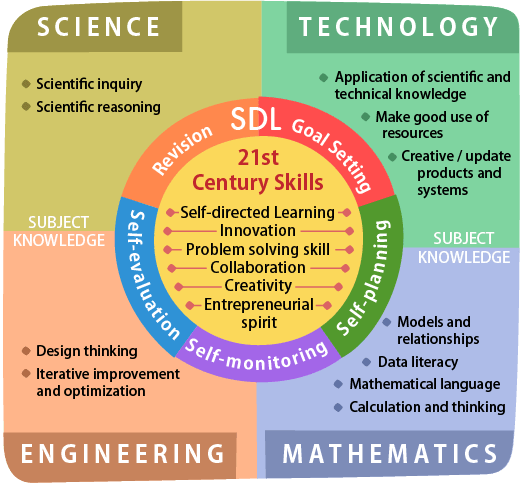
STEM is the acronym of Science, Technology, Engineering and Mathematics. STEM education is positioned to develop diverse student potentials so as to meet future challenges. With the fast changing world and inundated information, building students’ 21st century skills (also known as generic skills) is key to the development of their potentials. Through STEM education, students are enable to build solid knowledge and skills of STEM disciplines, and strengthen their ability “to integrate and apply their knowledge and skills across different subject disciplines through solving daily life problems with practical solutions and innovative designs” (CDC, 2015, p. 2).
Why STEM?
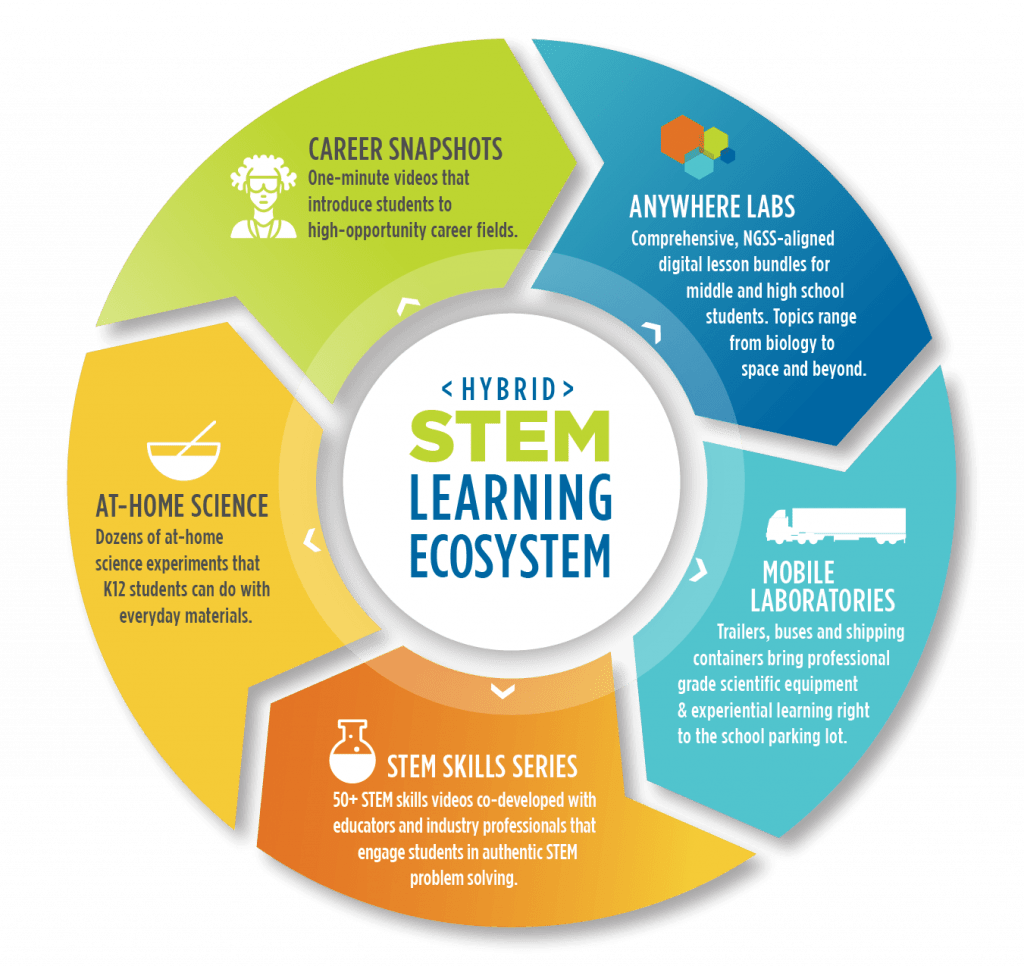
STEM stands for Science, Technology, Engineering, Management. This strand Focuses more on mathematics and sciences which we can use for our everday living. It is important because it interpenetrate every part of our lives. STEM activities provides hands-on and minds-on activities for the students. Studying and working in STEM means learning about the world around you, finding innovative solutions to real-world challenges, and playing a role in some of the country’s major discoveries and developments. “STEM is difficult but intelligence is not measured by a number on a piece of paper.”
STEM Program
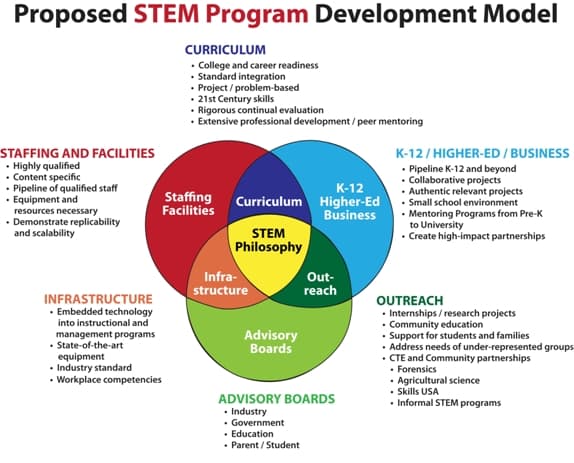
In our country, STEM is a two year-program and strand which used for the Senior highschool as signed by the DepEd. The intention of it is to enlighten the students in the field of Science, Technology, Engineering, and Mathematics in an interdisciplinary and applied approach, and to give students advance mindfulness.
STEM Opportunities
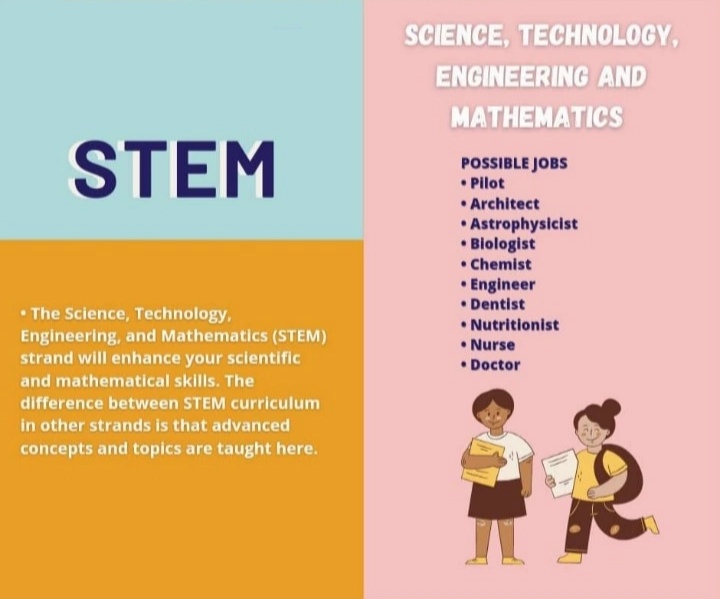
By engaging students to STEM and giving them chance to explore STEM – related concepts they will develop a desire for it and hopefully overtake a job in STEM. The STEM disciplines are interesting and challenging. They can help prepare you for careers in fields that pay well and are relatively abundant. STEM jobs are increasing at a faster rate than non-STEM jobs for students with post-secondary education. Also, the skills such as critical thinking and problem solving learned while studying STEM subjects are applicable to almost all careers and actually in demand for most.
STEM Benefits
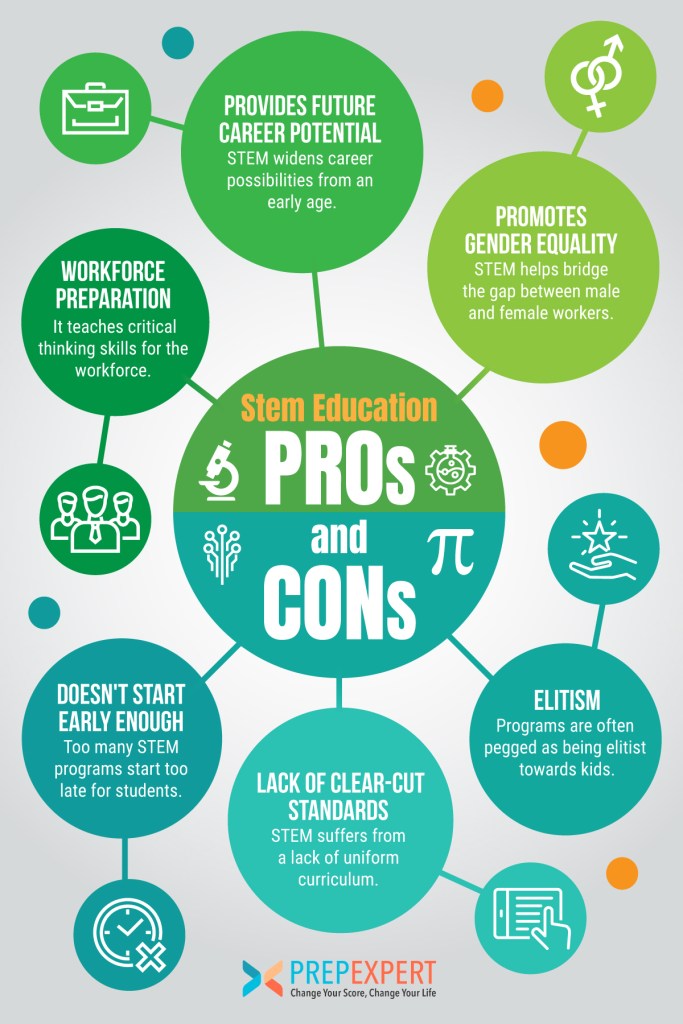
Fosters ingenuity and creativity:
Ingenuity and creativity can pair with STEM and lead to new ideas and innovations. Without ingenuity and creativity, the recent developments in artificial intelligence or digital learning would not be possible. These technologies were created by people who learned that if the human mind can conceive it, the human mind can achieve it. No doubt they had a great K-12 STEM education teacher.
Builds resilience:
During STEM education activities, students learn in a safe environment that allows them to fall and try again. STEM education stresses the value of failure as a learning exercise, which will enable students to embrace mistakes as part of the learning process. This allows students to build confidence and resilience, which will enable them to keep going when the going gets rough. After all, failure is part of a process that ultimately leads to success.
Encourages experimentation:
Without a little risk-taking, and experimentation, many of the technological advancements that have occurred in the last couple of decades would not be possible. Many of these innovations were created by people who were told that their ideas wouldn’t work and their response was, “Let’s try it and see.” This type of attitude can be encouraged with STEM learning during the K-12 years. How can you accomplish this? By allowing students to experiment and take risks during learning activities.
Encourages teamwork:
STEM education can be taught to students of all ability levels. Students of varying levels of ability can work together in teams to find solutions to problems, record data, write reports, give presentations, etc. The end result is students who understand how to collaborate with others and thrive in a team-oriented environment.
Encourages knowledge application:
In STEM education, students are taught skills that they can use in the real world. This motivates students to learn, as they know that the skills that they acquire can be utilized immediately, and in ways that positively impact them and their loved ones. The ability to apply their knowledge to new and novel tasks will bode well for them when they enter the workforce.
Encourages tech use:
STEM learning teaches kids about the power of technology and innovation. So, when students encounter new technologies, they will be prepared to embrace them, instead of being hesitant or fearful. This will give them the upper hand in the global landscape, as the world is becoming increasingly tech-centered.
Teaches problem-solving:
STEM education teaches students how to solve problems by using their critical thinking skills. By engaging in STEM learn experiences, students learn how to examine problems and then create a plan to solve them.
Encourages adaption:
To succeed in life, students have to be able to apply what they have learned to a variety of scenarios. STEM education teaches them to adapt the concepts that they learn to various iterations of a problem or issue.
As a Grade 11 student of Prosperidad National High school I would like to say that to be in STEM is not easy, especially today we are facing this pandemic while struggling on our studies, but we have to know how to handle this. STEM is a great strand but you have to know your capabilities, the subjects are pretty challenging but it is indeed worth it. Time management and discipline is very needed. The subjects in STEM is very useful because we can use it in the real world.
So, if i were you, let’s be in STEM. Let yourself explore and discover new things.
 Site Title